The Real “Gan Eden”
 Pasta and ketchup. What kid wouldn’t welcome a daily diet of these two nutritionally “challenged” food items? For the young children who attend one of the dozens of “gans” or daycare center (there are more than 60 of them) set up for the children of African refugees throughout Tel Aviv, that is exactly what they eat each day.
Last month as we were winding down our Israel trip we met two women whose work both inspired us and renewed once again, our belief that there are Good People out there who when working together can change the world. Several years ago Shlomo Artzi (yes, that Shlomo Artzi) and his wife Michal gathered friends and began Tzimaon with the belief that those blessed with more economic opportunities should help people who struggle daily to get by. To each of them, this is what Israel should represent.
With a staff of ten volunteers (all women), no offices and no salaries, Tzimaon focuses on educational opportunities in places like Givat Olga and the Shapira neighborhood in Tel Aviv. In our meeting we learned of the group’s latest project, the brainchild of Carmit Elad, a Tzimaon volunteer. When Carmit visited many of the refugee daycare centers and saw the conditions there she knew she needed to do something. With the cooperation of “Daniella’s Gan”, she brought together both Israeli and African volunteers to turn this dark and sad classroom into a true Gan Eden! (Garden of Eden) Walls were painted, carpets laid, new furniture, computers, toys…whatever they would want for their own children they believed should be there for these children as well.
When the Good People Fund learned about the pasta and ketchup diet it was very easy to agree to a matching grant to provide one year’s worth of healthy, nutritious lunches for the children in Daniella’s gan. It’s what we would want for our own children, why not these?
 The NY Times article that described the life of one of these children inspired Evan to bring the subject up in one of his social science classes where enthused students decided to raise money to help such children.
 Rabbi Shaul Inbari, whose CP has left him disabled and confined to a wheelchair, often dreamed of coming home each day to a warm and loving partner. Loneliness was forever with him as the years passed. When he one day shared his frustration of living a life of isolation with his dear friend Shalomi Eldar, Shalomi challenged him by suggesting that they publicize a gathering for people with disabilities. Surely there were others frustrated by the lack of social opportunities available for disabled people. Within hours both were inundated with calls of interest and their first meeting attracted more people than they could comfortably accommodate. Clearly these two trailblazers had uncovered a deep unmet need in the world of disabled people. In 2012 they organized Inbar as an official amuta to offer social events as well as courses in relationships and social integration. The group has been bolstered by the efforts of several matchmakers and other volunteers who work hard to promote Inbar’s goals, and today has more than 400 people with a wide range of disabilities registered in their database.
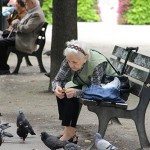 So many of the great programs we support focus on hunger, whether it be here in America or in Israel. Sometimes, we think that the “din” created by this crisis goes largely unnoticed just because it is always there…a fact of life. Perhaps it is something so overwhelming that we just ignore it or push it out of our consciousness.